Travel guide
The Ultimate Long-Haul and Packing Survival Guide
How I pack for months on the road and survive long-haul flights: lighter luggage, smarter organizing, a sleep kit that works, and what to wear and carry.

Top picks in this guide

Boao Mesh Zipper Pouches Review: See-Through Bags for Cables and Kits
One of my best travel hacks: light, cheap, black mesh pouches that organize toiletries and cables better than packing cubes.

Mack's Slim Fit Earplugs Review: Foam Earplugs for Smaller Ears
After testing a lot of earplugs, these are the best balance of comfort and quiet for sleeping.

Nanobag XL Review: A 25-Liter Tote That Folds Smaller Than a Phone
My top travel recommendation: a 25-liter bag that packs down to almost nothing, with a pattern that hides wrinkles so it never looks like a trash bag.

Rockport Penny Loafer Review: One Shoe for Airports and Dinners
Comfortable with or without socks, tough enough to walk a city on, and smart enough for a last-minute meeting. My go-to shoe.
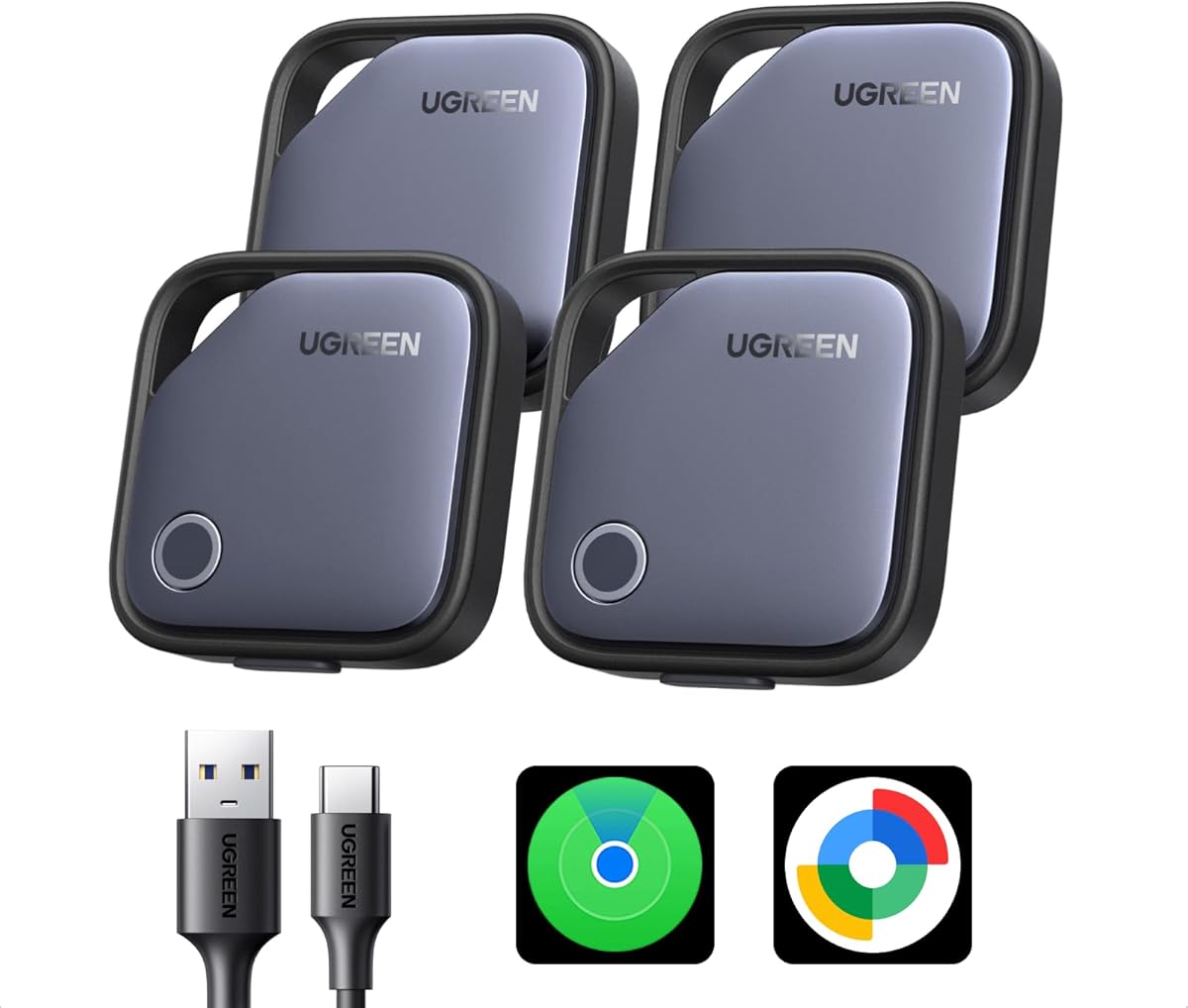
UGREEN Finder Duo Tracker Tags Review: Find My for iPhone and Android
Rechargeable trackers that work with both iPhone and Android. One in every bag gives you real peace of mind.

ANA Economy Review: Seattle to Tokyo Haneda to Kuala Lumpur
Some of the best long-haul economy around: roomy 787 seats, solid Japanese meals and a smooth Haneda connection. Paying for a good seat in advance is the one upgrade worth making.
The short version
Long-term travel is won or lost before you leave the house. The suitcase you pick decides how much you can carry, the way you organize it decides how fast you check in and out, and the small comfort kit in your backpack decides whether a 12-hour flight wrecks the next three days.
This guide pulls together everything I’ve bought, used and reviewed for packing and long trips. Every item links to its full review, and the list at the bottom keeps growing as I review more.
“You’ll be limited by weight before you’re ever limited by size. Buy light luggage.”
Reggie R.
1. Luggage: weight is the real limit
Most people never fill their suitcase by volume. They hit the airline’s weight limit first. That one fact changes how you should buy luggage.
I moved to the LUGGEX 3-piece hard-shell set from a premium brand that everyone seems to carry. It’s sleek, affordable, holds up well and, most importantly, it’s very light. Size for size it’s lighter than many competitors, and that saves you real pounds before you’ve packed a thing.
My best luggage tip: don’t buy the extra-large size. Buy the smaller case and stuff it. You’ll hit the weight limit before you run out of space, and the smaller, lighter case gives you those pounds back as packing allowance.
Two small things protect every bag:
- A rechargeable luggage scale. I bought around ten battery-powered scales over the years, and they always died right when I needed them. The travel inspira rechargeable scale costs a little more and actually works. It saves a lot of money at check-in. Watch out, friends and family will try to keep it.
- Tracker tags in every bag. AirTags work, but they aren’t rechargeable and I kept rebuying them. UGREEN Finder Duo tags work with iPhone and Android and recharge over USB-C. I put one in my crossbody bag, day bag, backpack and every suitcase. The peace of mind is huge.
Moving countries with a lot of luggage? Shipping it ahead with Luggage To Ship beats dragging three cases through airports.
2. Organizing: pouches beat cubes
Packing cubes are popular, and they help. A cheap 8-piece cube set does the job for a fraction of the price; I keep mine all black and organize by size rather than color.
But my real secret is mesh zipper pouches. They weigh nothing, they’re see-through, they’re cheap, and I find them even better than cubes. I use them for toiletries and cable management. They’re one of my best travel hacks.
The other bag I never leave without is the Nanobag XL. I’ve bought over 20 packable bags over the years, and Nanobag is by far the best. It folds to almost nothing, holds 25 liters, and lives in my day pack for groceries and overflow. Skip black and pick a pattern: it hides the wrinkles, so it never looks like a trash bag when you pull it out.
Don’t over-protect. People pack bags inside bags inside bags and end up carrying more bag than gear. Protect what actually breaks, nothing more. My DJ controller travels in a suitcase under a snap-on dust cover wrapped in clothes, not a heavy case.
3. The long-haul sleep kit
A long flight is a sleep problem more than a seat problem. This kit fits in one pouch:
- Earplugs: I’ve tested a lot, and Mack’s Slim Fit are the best to actually sleep in. They balance comfort and quiet better than anything else, and the little clip-on case is great on a plane.
- Eye mask: the Gritin blackout mask has deep eye cups, so there’s no pressure on your eyes, and it’s wide enough to block every gap.
- Seat comfort: the BreezCamp inflatable cushion packs tiny and makes hard seats bearable.
- Pillows for long stays: the packable OPTP cervical roll adapts any rental pillow; a contour memory foam pillow is worth the space only on month-long stays.
- Arriving fresh: a compact water flosser for the day you land and the room isn’t ready.
For the flight itself, I rate ANA economy from Seattle via Tokyo Haneda highly: a calm 787 cabin and a smooth connection. Pay for the seat on a long-haul flight.
4. What to wear and carry
Fewer, better pieces. Wear the bulky ones on the plane.
- Shoes: the Rockport Classic Penny Loafer has been my go-to for close to two years. I first bought them at Neiman Marcus last minute before meeting a client, expected them to fall apart walking all over Rome, and they held up so well I bought a second pair. Comfortable with or without no-show socks.
- A warm layer: planes, buses and malls run the air-conditioning hard. A cheap fleece hoodie taught me a lesson: it looked worn after a few washes. Spend a little more on the layer you’ll live in.
- Clothes care: steamers beat travel irons, and hotel irons can stain your shirts. The travel steamer I bought is bigger and heavier than I expected, so I pack it only when crisp clothes matter.
- Grooming: Black & White Pluko pomade, which a friend from university put me on. One tin lasts months and holds up in humidity.
5. Food and supplements on the road
Some things are hard to find abroad, or expensive. A few light, sealed items make long trips easier:
- Electrolytes: LMNT Watermelon Salt is by far my favorite so far. It’s pricey per serving, but the stick packs travel perfectly.
- Creatine: protein can be hard to find and expensive while traveling, so if I pack one supplement, it’s creatine monohydrate. Pure, cheap and simple.
- Protein and coffee add-ins: Sunwarrior or Truvani plant protein, and unflavored collagen in coffee.
- Formats that travel: capsules and sealed tablets beat liquids. If you use a liquid, pick shelf-stable ones like the liposomal glutathione I use, which doesn’t need refrigeration. Supplement reviews on this site cover format and value only; ask a doctor about what’s right for you.
- A tiny pantry for rentals: Atlas olive oil, Celtic sea salt and hibiscus for iced tea make rental-kitchen meals feel like home.
The packing order that works
- Weigh the empty suitcase. Know your real allowance.
- Clothes into cubes, rolled.
- Cables, chargers and toiletries into mesh pouches.
- Sleep kit and one change of clothes in your personal item.
- Trackers into every bag.
- Weigh again the night before you fly.
The mistakes I see most
- Buying the biggest suitcase. You’ll hit the weight limit first.
- Disposable-battery gadgets. Scales and trackers that need coin cells always die at the worst moment. Go rechargeable.
- Bags inside bags. Protect what breaks, not everything.
- Cheap versions of the things you use daily. Spend on what you wear and sleep in every day; save on what you rarely touch.
FAQ
What’s the most useful cheap packing item?
Mesh zipper pouches, closely followed by a Nanobag foldable tote.
Should I buy a large or medium suitcase?
Usually the medium. Most travelers hit the weight limit before the size limit.
What helps most with sleep on long flights?
Good earplugs and a contoured blackout mask, together.
Keep going
Once you’ve arrived, the Remote Work Travel Guide covers setting up a workspace, and the Digital Nomad City Guide covers where to stay, eat and get around.
Every review in this guide
Flights
- ANA Economy (Seattle–Tokyo Haneda–Kuala Lumpur) ★ 4.5: Some of the best long-haul economy around: roomy 787 seats, solid Japanese meals and a smooth Haneda connection. Paying for a good seat in advance is the one upgrade worth making.
Food & Wellness
- Atlas Organic Moroccan Extra Virgin Olive Oil ★ 4.5: A bright, peppery single-estate oil that makes simple food taste better. Use it raw to get your money's worth.
- Celtic Sea Salt Light Grey Coarse ★ 4.5: Moist, grey, crunchy crystals with a briny taste. Great for finishing; grind or crush it for everyday seasoning.
- EarthWise Organic Hibiscus Flowers (1 lb) ★ 4.5: A big bag of tart, ruby-red hibiscus that makes gallons of iced tea for very little. Cold-brew it for the smoothest flavor.
- LMNT Zero Sugar Electrolytes, Watermelon Salt (30 Count) ★ 4.5: Very salty, sugar-free and perfectly packaged for travel. Watermelon is the friendliest flavor to start with; try half a stick first.
- Nootropics Depot Magnesium Glycinate Capsules ★ 4.5: Judged on format, label and value only: clear labeling and good value in a travel-friendly capsule.
- Nootropics Depot L-Theanine 200mg Capsules ★ 4.5: Judged on format, label and value only: a simple, well-labeled single-ingredient capsule at a fair price.
- Rho Nutrition Liposomal Glutathione Liquid ★ 4.5: A liquid that's shelf-stable and tastes better than most alternatives, which solves the two usual problems with this format. Judged on format and taste only; ask a doctor about use.
- SkinnyPop Original Popcorn (Party Size) ★ 4.5: Light, simply seasoned popcorn with a short ingredient list. Easy to overeat from the party bag, so portion it out.
- Sunwarrior Organic Plant Protein (Vanilla) ★ 4.5: One of the smoother plant proteins, with a mild vanilla taste. Mixes well in water or milk; decant it into bags for travel.
- Venture Pal Micronized Creatine Monohydrate ★ 4.5: Pure, cheap and simple: an easy supplement to travel with when protein is hard to find or expensive.
- Vital Proteins Collagen Peptides (Unflavored) ★ 4.5: Dissolves cleanly in hot or cold drinks with almost no taste. The easiest powder to fit into a morning coffee.
- Aqua Veggies Organic Atlantic Dulse Flakes ★ 4.0: Salty, smoky seaweed flakes that add savory depth to eggs, salads and rice. An acquired taste, but a useful one.
- Researched Nutritionals ATP 360 (90 Capsules) ★ 4.0: Judged on format, label and value only: a convenient blend from a practitioner brand at a premium price.
- Micro Ingredients Organic Papaya Powder ★ 4.0: A mild, sweet tropical powder for smoothies. Handy outside the tropics; in Thailand, buy fresh papaya instead.
- Micro Ingredients Organic Blueberry Powder ★ 4.0: An easy way to add berry flavor and color to smoothies and oats where fresh berries are expensive. Mild taste, good value.
- Pure Encapsulations L-Glutamine Powder (8 oz) ★ 4.0: Judged on format, label and value only: a clean, unflavored powder from a trusted brand.
- Tru Niagen Pro 1000mg (30 Servings) ★ 4.0: Judged on format, label and value only: a premium single-ingredient product with a premium price.
- Truvani Organic Plant Protein (Strawberry) ★ 4.0: A clean-label pea protein with a sweet strawberry flavor. Good in smoothies; a bit sweet on its own with water.
- Vimergy Organic Lemon Balm Tincture ★ 4.0: Judged on format, label and value only: a pleasant alcohol-free tincture with cheaper alternatives.
- Vimergy Organic Milk Thistle Liquid ★ 4.0: Judged on format, label and value only: a clean, alcohol-free format that's awkward to travel with.
- Zenwise Digestive Enzymes with Probiotics (48 Count) ★ 4.0: Judged on format, label and value only: a convenient combined formula in a small, packable bottle.
- Brieofood Organic Aloe Vera 1500mg Tablets ★ 3.5: Judged on format, label and value only: a convenient tablet format from a less-documented brand.
- Bronson Liver Detox Advanced (60 Capsules) ★ 3.5: Judged on format, label and value only: an affordable blend with marketing to read past.
- Soursop Graviola Liquid Drops (2000mg) ★ 3.0: Judged on format, label and value only: a product to approach with caution; the fresh fruit is the better experience.
Travel Gear
- Boao 6-Piece Mesh Zipper Pouches ★ 5.0: One of my best travel hacks: light, cheap, black mesh pouches that organize toiletries and cables better than packing cubes.
- Mack's Slim Fit Soft Foam Earplugs ★ 5.0: After testing a lot of earplugs, these are the best balance of comfort and quiet for sleeping.
- Nanobag XL 25L Foldable Tote ★ 5.0: My top travel recommendation: a 25-liter bag that packs down to almost nothing, with a pattern that hides wrinkles so it never looks like a trash bag.
- Rockport Men's Classic Penny Loafer (Black II) ★ 5.0: Comfortable with or without socks, tough enough to walk a city on, and smart enough for a last-minute meeting. My go-to shoe.
- UGREEN Finder Duo Air Tracker Tags (4 Pack) ★ 5.0: Rechargeable trackers that work with both iPhone and Android. One in every bag gives you real peace of mind.
- BreezCamp Inflatable Seat Cushion ★ 4.5: A tiny inflatable pad that makes hard seats bearable. Inflate it halfway; firm cushions are less comfortable than soft ones.
- Gritin Blackout Sleep Mask ★ 4.5: A contoured mask that blocks light without pressing on your eyes. One of the best cheap sleep upgrades for planes and bright rentals.
- Heatuff Men's No-Show Socks (7 Pairs) ★ 4.5: Cheap no-show socks with silicone heel grips that actually stay on. The right partner for loafers and hot-weather travel.
- LUGGEX 3-Piece Hard Shell Luggage Set (20/24/28) ★ 4.5: Light, sleek and affordable. You'll hit airline weight limits before size limits, so a lighter case gives you real packing room.
- OPTP Original McKenzie Cervical Roll ★ 4.5: A small round roll that slides into any pillowcase. The most packable way to make an unfamiliar bed feel more like yours.
- Black & White Genuine Pluko Hair Dressing Pomade ★ 4.5: My go-to pomade: it lasts for months and keeps a wet look longer. Warm it in your hands first.
- travel inspira Digital Luggage Scale ★ 4.5: A bit pricier than basic scales, but rechargeable, so it works the one time you actually need it.
- BAGAIL 8-Set Packing Cubes ★ 4.0: Cheap, all-black cubes that do the job for a fraction of the price. Organize by size instead of color.
- Bitvae P1 Cordless Water Flosser ★ 4.0: A compact cordless flosser with a collapsing tank that fits a toiletry bag. Practical for keeping a routine on long trips.
- Contour Memory Foam Cervical Pillow ★ 4.0: A shaped memory foam pillow that gives you the same sleep in every rental. Bulky, so it's for long stays, not weekend trips.
- 2-in-1 Travel Steamer and Iron (100-240V, 1200W) ★ 3.5: A well-reviewed, dual-voltage steamer that's bigger and heavier than it looks. Steamers beat travel irons, but pack this one only if crisp clothes matter on your trip.
- JMIERR Men's Fleece-Lined Oversized Hoodie ★ 2.5: Cozy and cheap for the first couple of wears, but it looked worn out after a few washes. If you want a hoodie that lasts, spend a little more.
Experiences
- Luggage To Ship ★ 4.0: A smart move for big relocations: three bags shipped door to door without dragging them through airports. Book early and it costs less than you'd think against airline fees.
More travel guides
- The Remote Work Travel Guide: Set Up an Office Anywhere: Chargers, stands, mics, lights and the apps that turn any room into a workspace.
- The Digital Nomad City Guide: Where to Stay, Eat and Get Around: How to pick a base city, book a stay that works for calls, eat well and get around without a car.